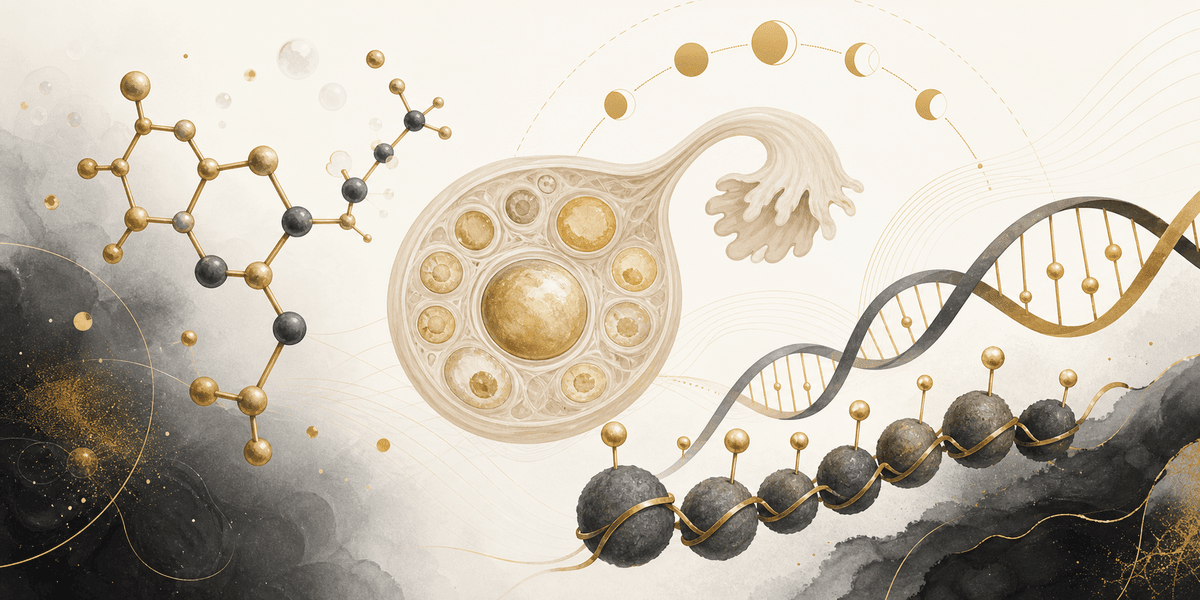
BPA, xenoestrogens, and perimenopause
Early exposures to xenoestrogens could program hormonal sensitivity, ovarian reserve, and symptoms years later.
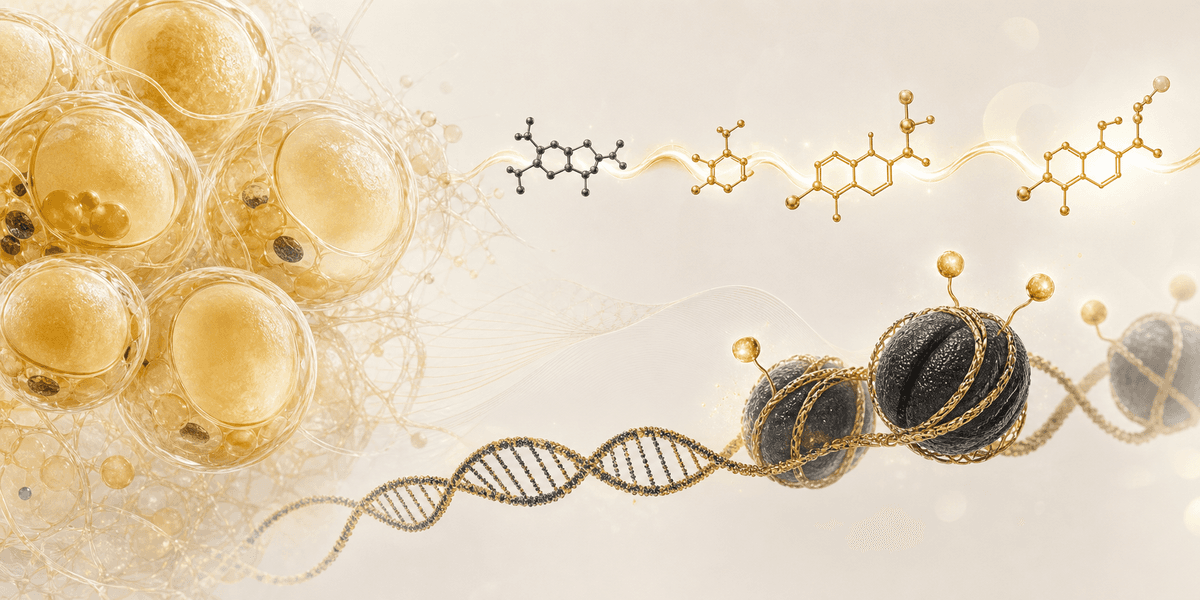
Your adipose tissue also speaks in hormones
In perimenopause, visceral fat can shift estrone, inflammation and aromatase signaling. It is not only weight: it is endocrine tissue.
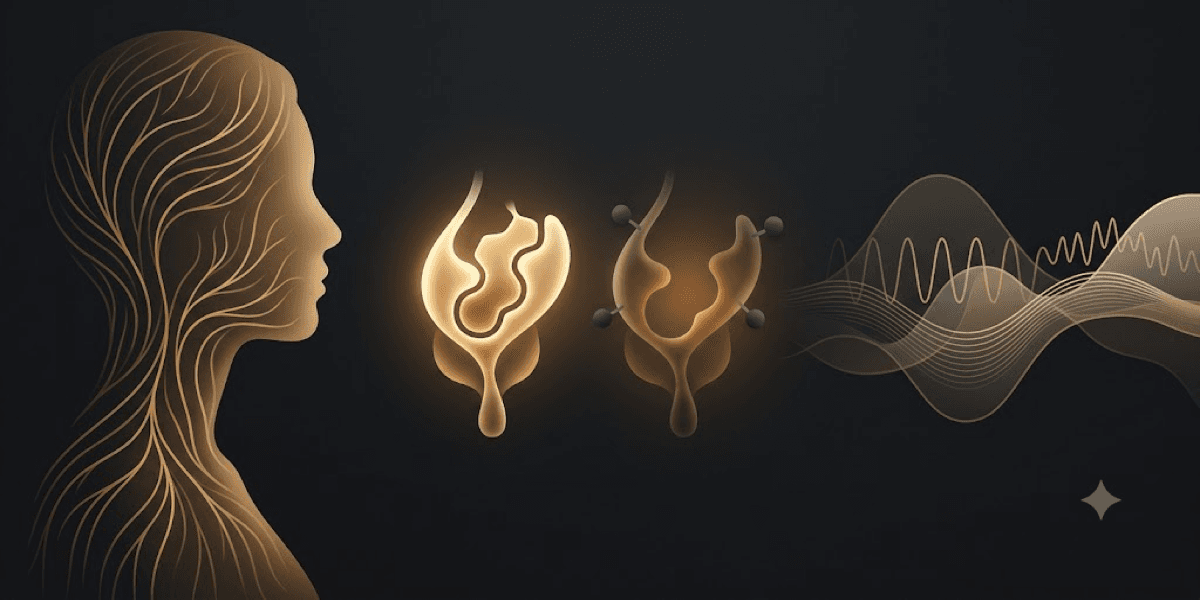
Estrogen resistance: why low estrogen does not explain everything
Not everything is explained by low estrogen. Receptor sensitivity, epigenetics, sleep, stress and food can change symptoms.
Ovarian age vs chronological age: why two 47-year-old women do not experience the same perimenopause
Two 47-year-old women can experience very different perimenopauses. Functional ovarian age helps explain sleep, hot flashes, energy and symptoms.
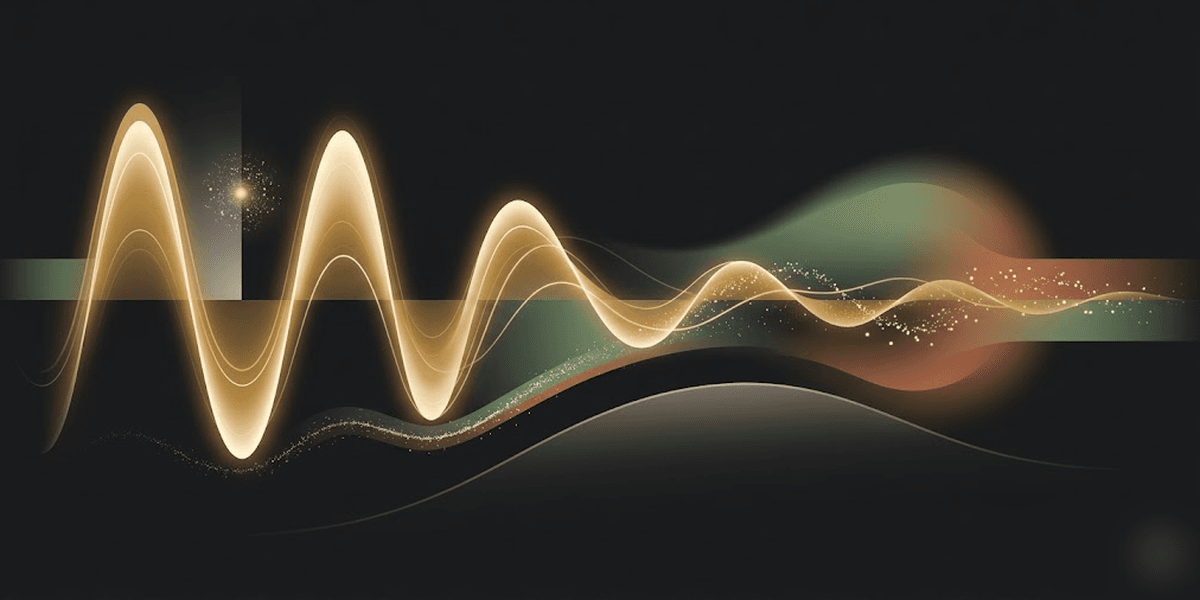
Perimenopause can start as a loss of rhythm, not a missed period
Perimenopause does not always begin with irregular periods. Sometimes it shows up earlier as fragmented sleep, nighttime heat, and loss of circadian rhythm.
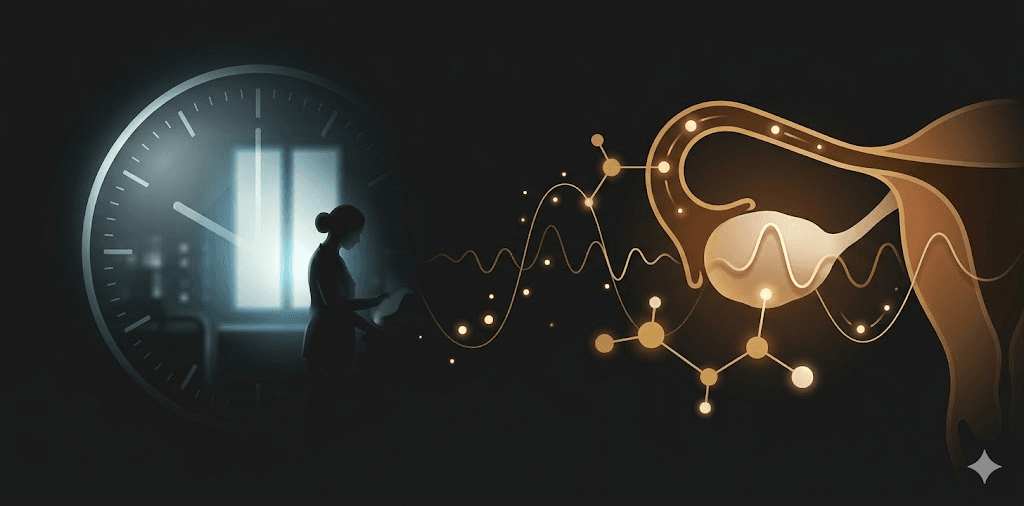
Night Work and Hormones: Why Shifts Can Disrupt Cycle, Sleep, and Energy
Night work can disrupt sleep, melatonin, cortisol, and the menstrual cycle. The key is not blame: it is measuring hormonal context.
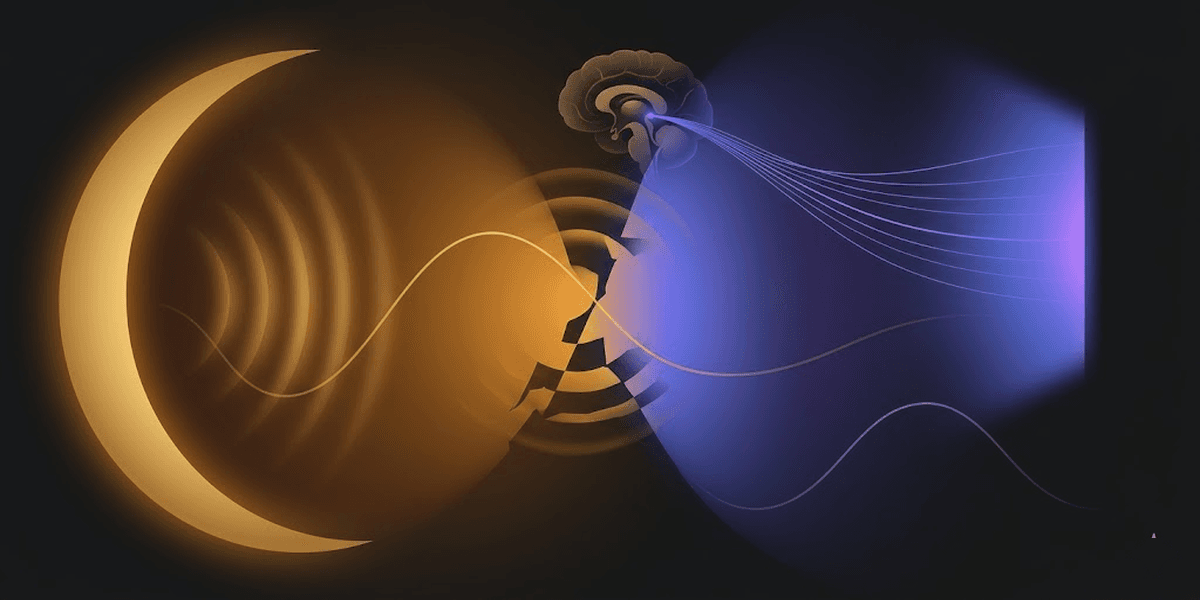
Blue light, melatonin, and the menstrual cycle: why biological night matters
Blue light can delay melatonin and shorten the biological night. Across the cycle and perimenopause, the cost may feel different.
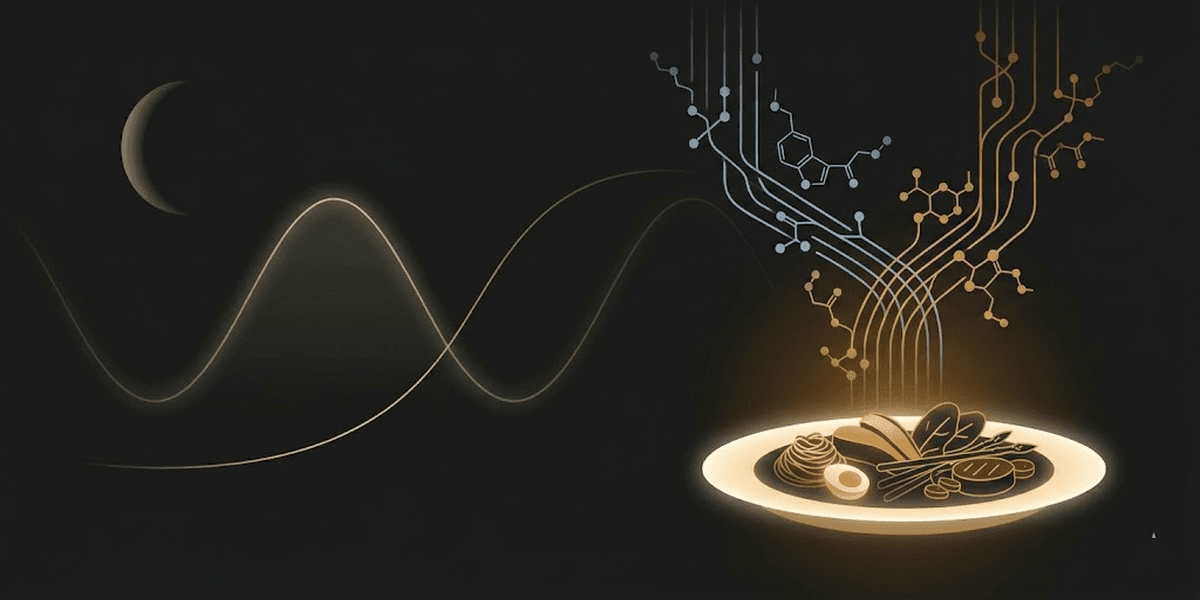
Hormonal chrononutrition: why eating dinner late can affect sleep, insulin, and your cycle
Eating dinner late does not affect everyone the same way: melatonin, insulin, the luteal phase, and perimenopause can change the hormonal cost of the same meal.
Melatonin and progesterone: why the luteal phase can change your sleep
Melatonin does not only regulate sleep. Science suggests that darkness, progesterone, temperature, and the luteal phase sync up in each cycle.
Hashimoto, anti-TPO, and female hormones: why it is not all about TSH
Positive anti-TPO does not always mean Hashimoto. Science shows how the thyroid, microbiome, iodine, and ovaries are connected.
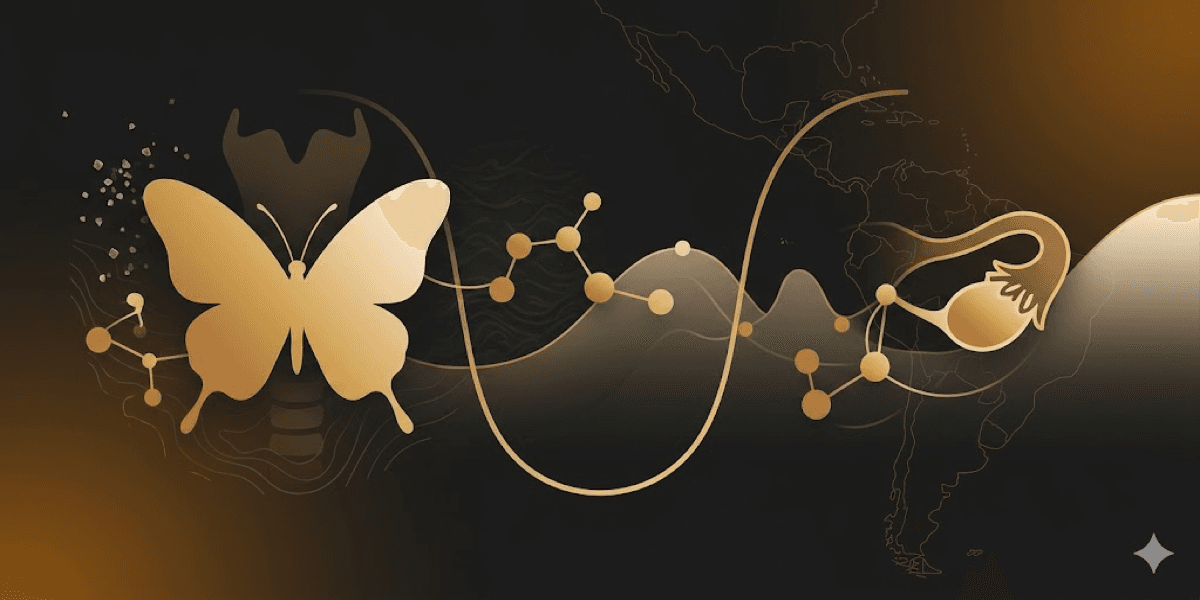
Iodine, thyroid and the menstrual cycle: why Latin America does not have one single answer
Iodine can modulate thyroid function, cycle and fertility, but in LATAM the risk is not only deficiency: it is also excess and volatility.
The Ovary’s Clock: How Sleep, Food, and the Menstrual Cycle Synchronize
The ovary has clock genes like CLOCK and BMAL1. Science suggests that sleep, food, and hormonal phase change the body’s real response every day.
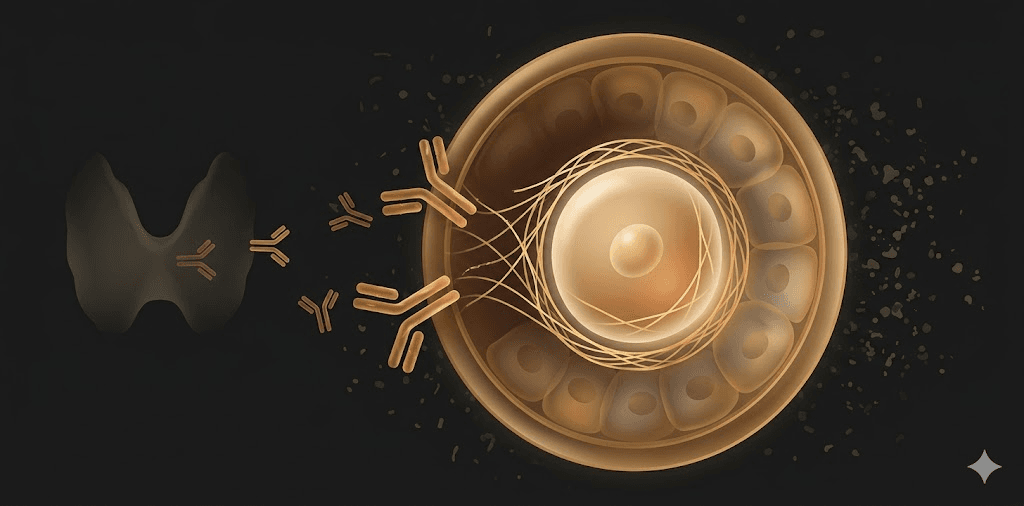
Anti-TPO with a "normal" thyroid: why your ovarian reserve may be dropping ahead of time
If you were told your anti-TPO antibodies "do not matter" because your TSH is fine, three recent mechanisms change that conclusion. And one of them involves the egg directly.
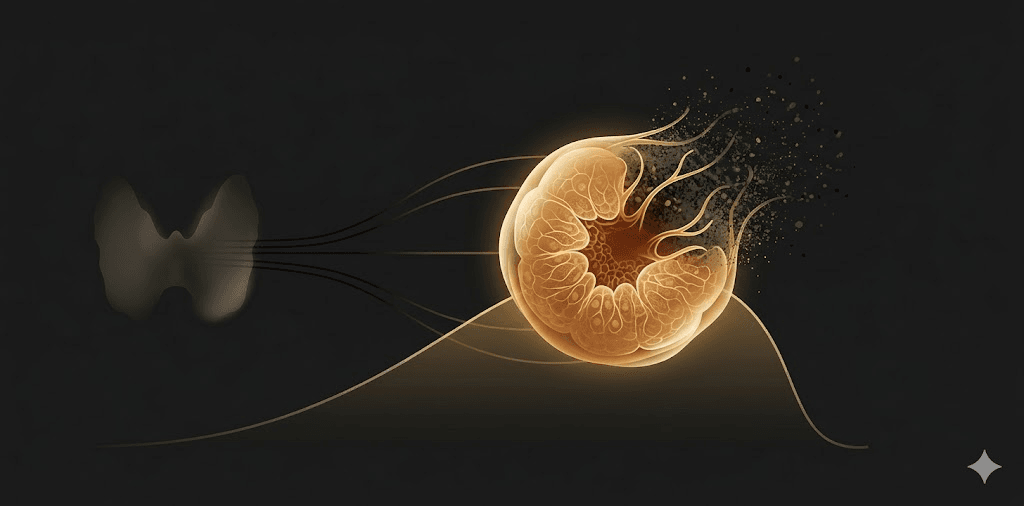
Subclinical hypothyroidism and early losses: why your 'normal' thyroid may be shortening your luteal phase
If your TSH is in range but you have had early losses, short luteal phases, or low progesterone, there is a molecular mechanism that is rarely explained. Recent science describes it precisely.

“Normal” TSH and still feeling unwell: the pattern endocrinology misses
Your lab test says your thyroid is fine, but you still feel cold, fatigued, and have irregular cycles. Science explains why a single TSH is not enough to rule out a problem.
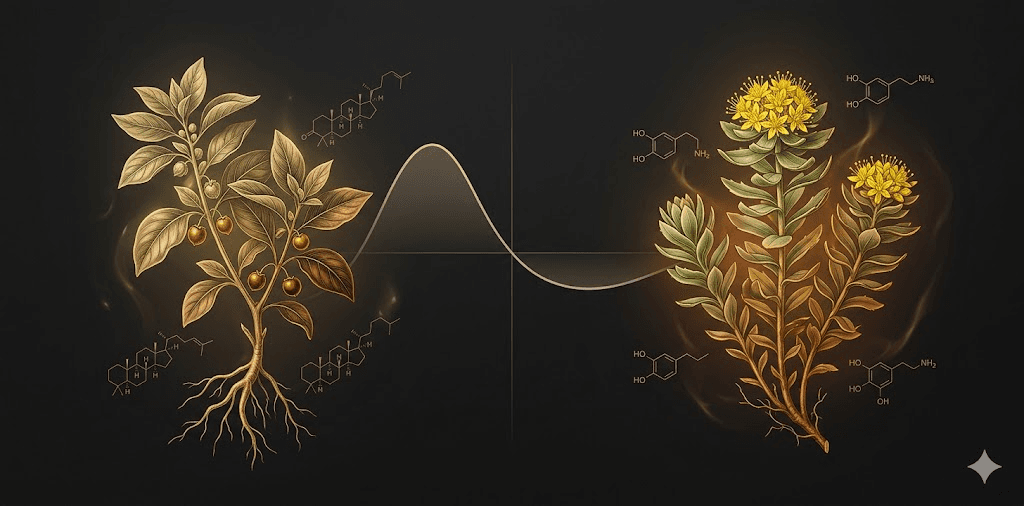
The adaptogen that works for your friend may not work for you: what the cortisol phenotype explains
Ashwagandha and rhodiola are sold as if they were interchangeable. The evidence shows they act through opposite pathways — and work in different women. Your cortisol phenotype predicts which one may help you.
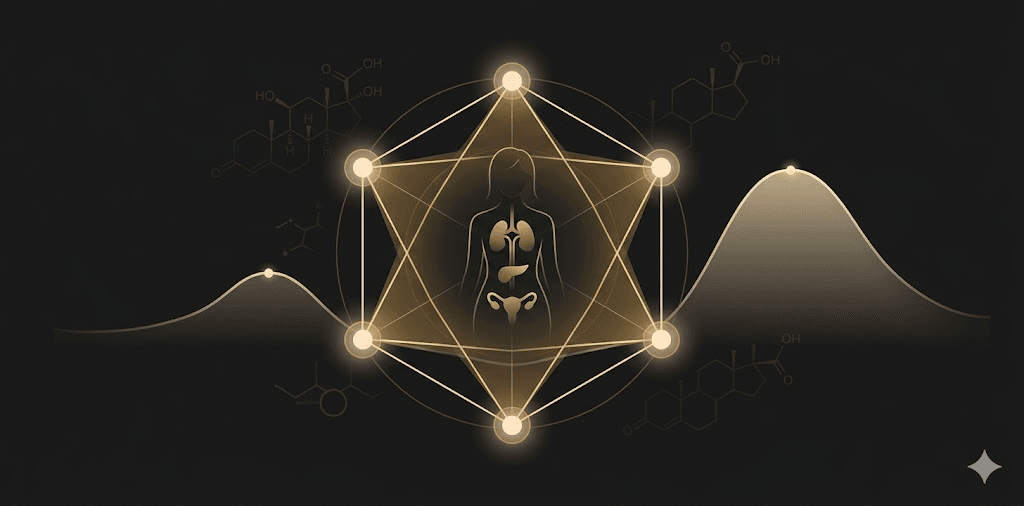
Why your 'normal' hormone panel doesn't capture your allostatic load in perimenopause
The stress axis has at least six measurable dimensions. A serum test captures one. That is why a woman can have all her labs come back 'normal' and still feel something shift out of balance every week.

Two types of women in perimenopause: what morning cortisol reveals
Not all perimenopause feels the same. Some women have a racing mind at 3am, while others cannot wake up even with two coffees. It is the same hormonal axis — dysregulated in opposite ways. And it can be mapped without lab tests.
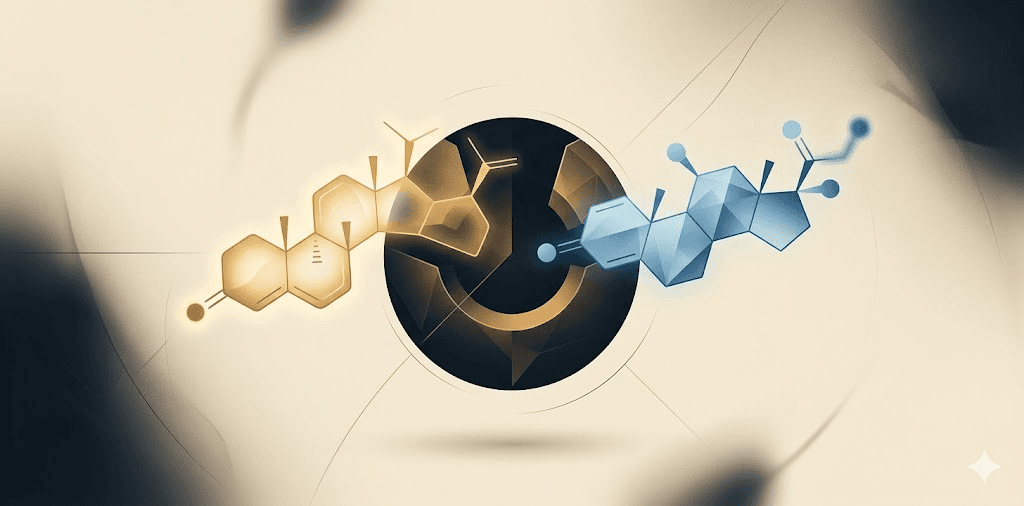
Progesterone vs. cortisol: why your luteal phase depends on a receptor they share
Your progesterone and your cortisol fight for the same receptor. 2024-2025 science explains why chronic stress can disrupt your luteal phase without changing your blood progesterone levels.
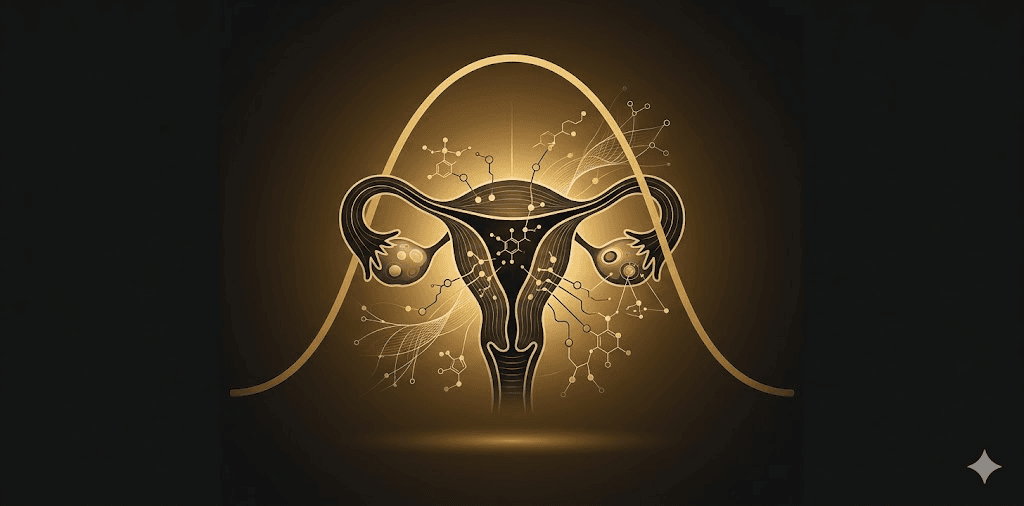
Your ovary makes its own stress hormone (and sometimes that is good news)
For 30 years, we were taught that stress always suppresses fertility. The science from 2023-2025 is showing a more nuanced picture: the ovary has its own local stress system, and the relationship between stress and ovulation is an inverted U, not a straight line.
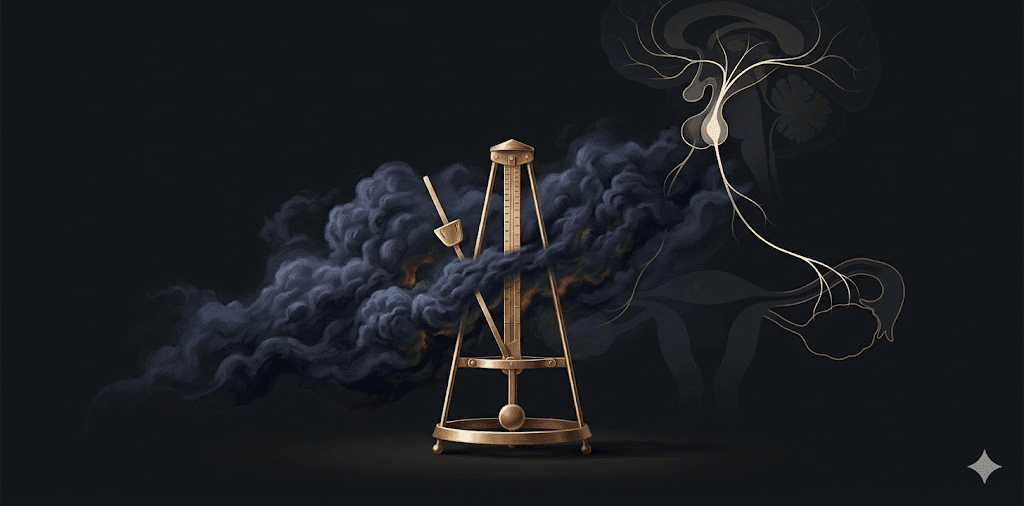
How Chronic Stress Disrupts Your Menstrual Cycle: What Your Brain Tells Your Ovary When It Cannot Take Any More
Acute cortisol amplifies one hormone. Chronic cortisol shuts it down. 2023-2026 science explains why some women tolerate more stress without losing their cycle, while others do not.
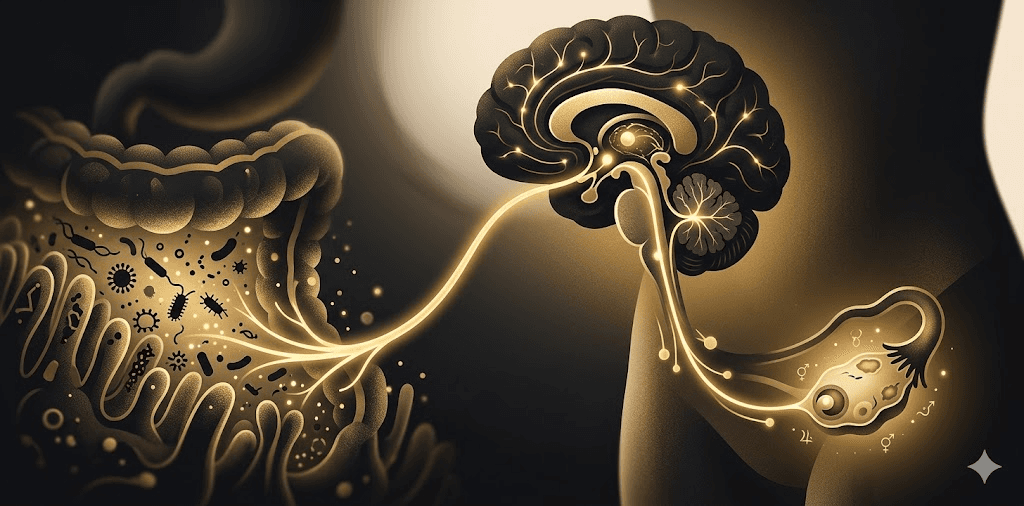
The cable connecting your gut to your ovaries: why perimenopause starts earlier in the stomach
80% of the vagus nerve carries information from the gut to the brain. In perimenopause, that line of communication breaks down. Here is the science of the gut-brain-ovary axis.
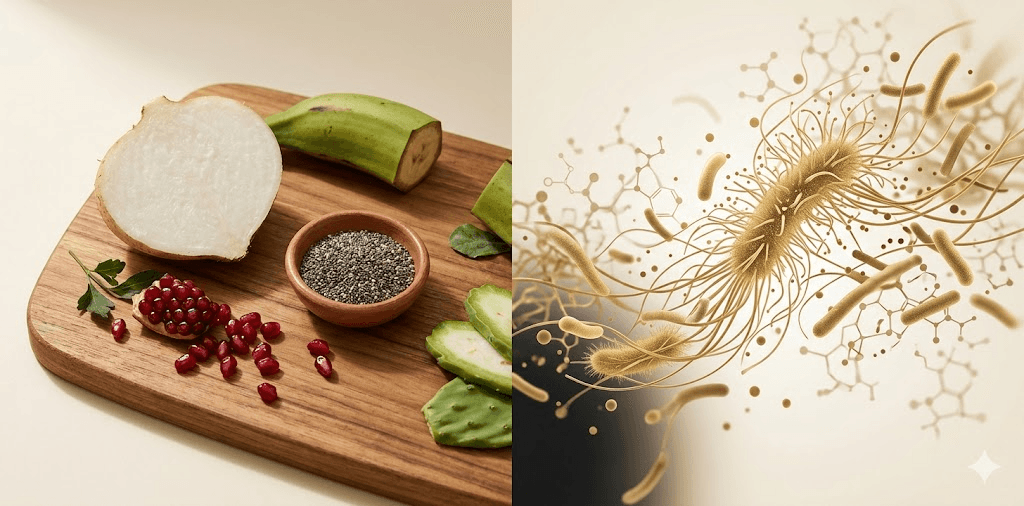
Prebiotics for Your Hormones: Why Inulin, Green Plantain, and Nopal Are Not Interchangeable
The 2024-2025 science shows that prebiotics are not a uniform class. Each one feeds different bacteria, produces different metabolites, and modulates different hormones. The word "prebiotic" on a package is not enough.
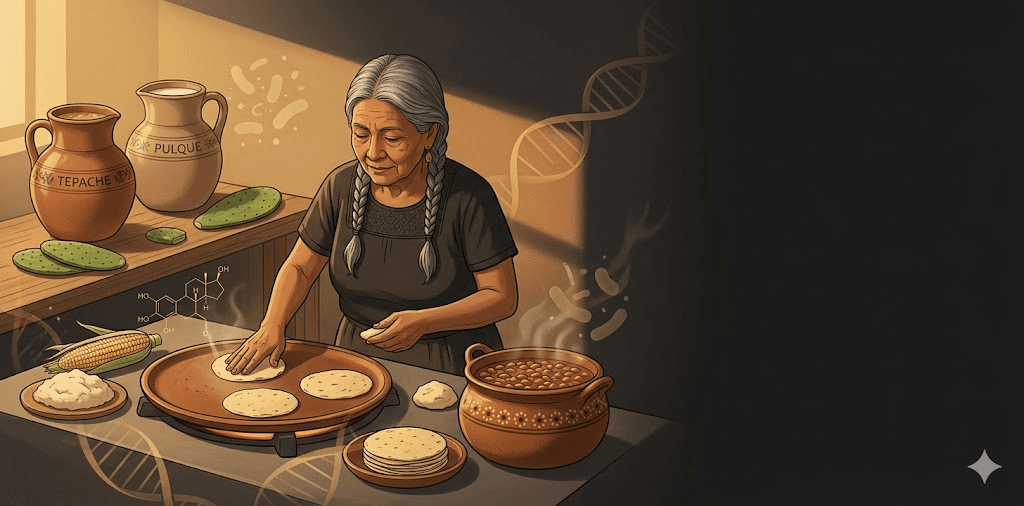
Why your grandmother’s diet protected your hormones — and what happened when we stopped eating it
Science from 2020-2025 has identified concrete mechanisms by which pulque, tepache, pozol, tejuino, and nixtamal modulate the microbiome and female hormones. It is not nostalgia: it is biochemistry.
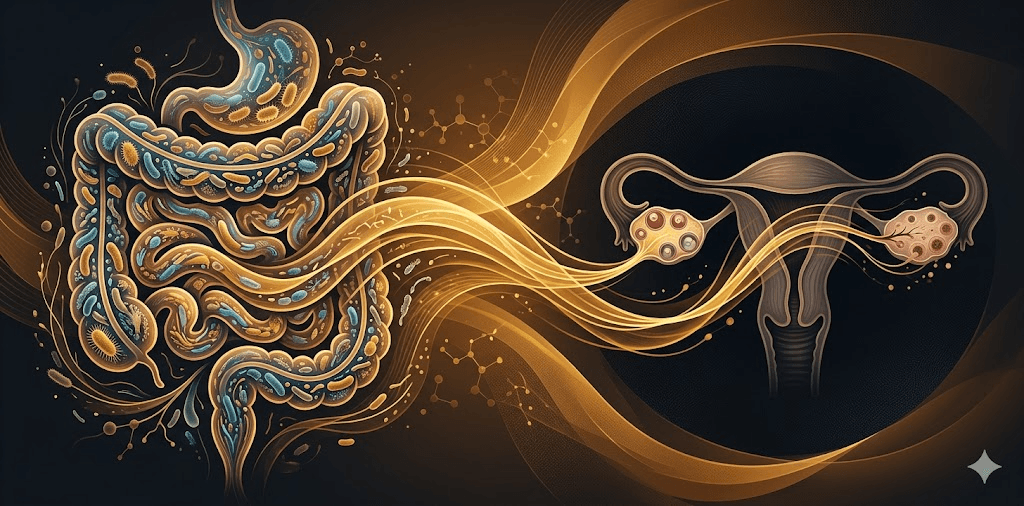
The gut microbiome and age at menopause: what 2025-2026 science has just discovered
New evidence (Cell Host & Microbe 2025, Nature Aging 2026) suggests that the gut microbiome protects ovarian reserve and modulates the biological age of menopause. Implications for perimenopause, fertility, and female hormonal health.
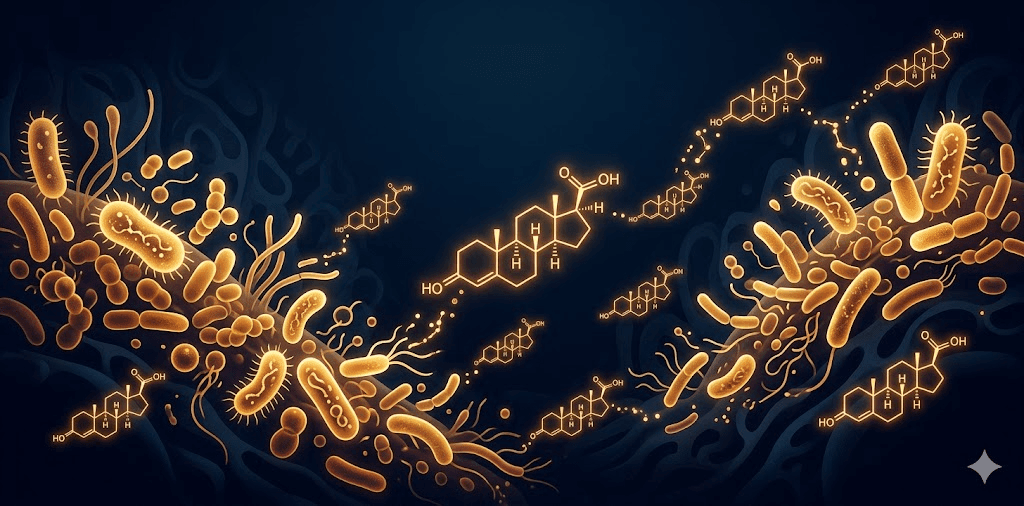
The progesterobolome: how your gut bacteria make progesterone
New evidence (Cell, 2024) reveals that certain gut bacteria convert cortisol into progesterone. What this means for perimenopause and female hormonal health.
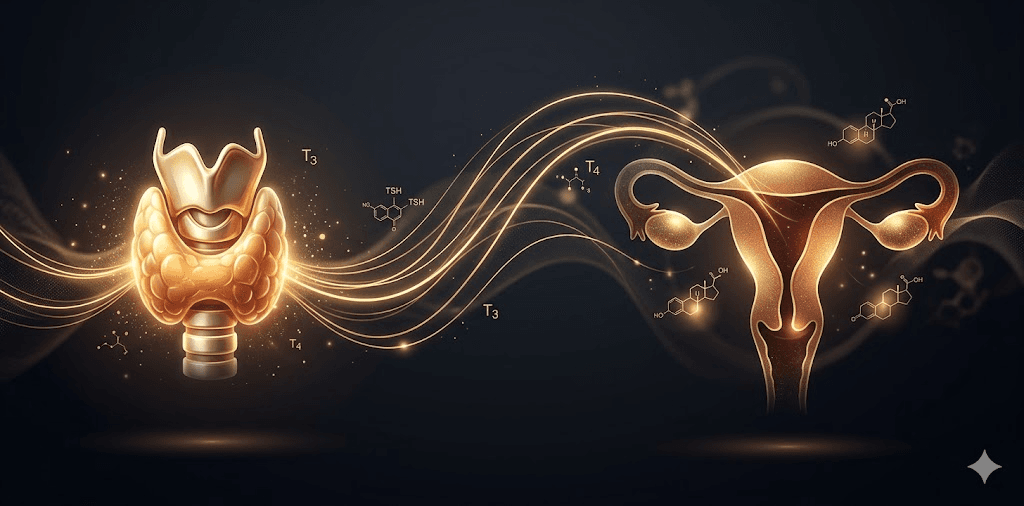
Thyroid and the menstrual cycle: how a small gland can change everything
The thyroid is not just about metabolism. Scientific evidence shows how T3 and T4 directly modulate your cycle, ovulation, and hormonal symptoms.

6 weeks of hormonal intelligence: what changes when you have your own data
From “I don’t know what’s happening to me” to “this is what’s happening to me and why.” The arc of the first six weeks with Lua — and what remains at the end.
The 4 phases of the menstrual cycle: what happens to your hormones in each one
Your cycle is not just menstruation. It has 4 phases with different hormone levels that help explain your energy, mood and symptoms. Lua translates them for you.

I Took My Hormonal Profile to the Doctor. This Is What Happened.
Bringing concrete data to the doctor changes the appointment. Here is how Lua’s hormonal profile turns vague symptoms into useful clinical information.

What Is a Hormonal Profile and Why Doesn’t Your Doctor Have It?
A blood test is not a hormonal profile. Your hormonal profile is the pattern of your hormones over time — and no 15-minute appointment can build that.
How Lua builds your hormonal profile: what happens in the first 30 days
It takes 2 minutes a day. What those 2 minutes build over the course of a month is something no medical visit can generate: your own hormonal map.

What you find in your hormonal profile after 2 weeks with Lua
After two weeks with Lua, the first correlations in your biology begin to appear: which foods affect your symptoms, when your energy drops, and why.

The symptoms that are not stress: how your hormonal profile explains them
Hot flashes, brain fog, insomnia, weight gain with no clear cause. None of these symptoms is stress. They all have a traceable hormonal cause that your profile can show.